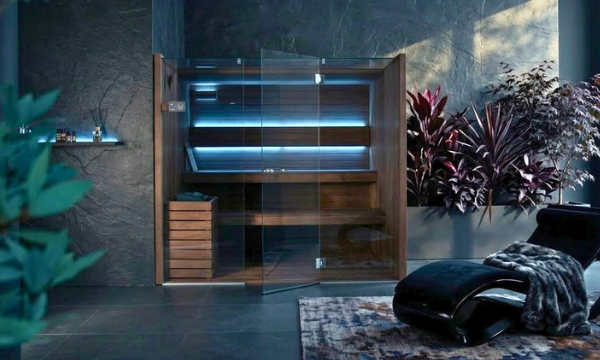



When specifying glass for architectural or residential projects, safety and performance are always front of mind. Two terms that often come up are toughened glass and tempered glass. They’re frequently used interchangeably, which can cause confusion.
So, are they actually different? And more importantly, which one is right for your project?
The Short Answer
There’s no technical difference between toughened glass and tempered glass.
They are the same product.
- “Toughened glass” is the term commonly used in the UK
- “Tempered glass” is the term more widely used in the US and mainland Europe
Both refer to glass that has been heat-treated to increase its strength and improve safety performance.
How Toughened (Tempered) Glass Is Made
The process behind toughened glass is what gives it its enhanced properties.
- Standard glass is cut to size first
- It’s then heated to around 600–650°C
- The glass is rapidly cooled using high-pressure air
This rapid cooling creates surface compression and internal tension, making the glass significantly stronger than standard annealed glass.
The result is a product that performs exceptionally well in demanding environments.
Key Benefits of Toughened Glass
1. Increased Strength
Toughened glass is typically up to five times stronger than standard glass. This makes it ideal for high-traffic or structural applications.
2. Safety First
If broken, it shatters into small, blunt fragments rather than sharp shards. This greatly reduces the risk of injury, which is why it’s widely used in safety-critical areas.
3. Thermal Resistance
It can withstand higher temperature variations, making it suitable for areas exposed to heat or direct sunlight.
4. Versatility
Toughened glass can be used across a wide range of applications, including:
- Doors and partitions
- Balustrades
- Shower screens
- Rooflights and skylights
- Facades and curtain walling
In more advanced systems, it can also be combined with specialist technologies such as solar control coatings, which help manage heat gain and light transmission .
When the Terminology Matters
While the product is the same, the wording can matter depending on context:
- UK specifications, building regs, and suppliers will typically use toughened glass
- International projects or documentation may refer to tempered glass
If you’re working across markets, it’s worth being aware of both terms to avoid confusion in specifications or procurement.
Toughened Glass vs Other Safety Glass Options
It’s also helpful to understand how toughened glass compares to other safety glass types.
Toughened vs Laminated Glass
- Toughened glass: breaks into small pieces
- Laminated glass: holds together when broken due to an interlayer
For maximum safety, these can be combined into toughened laminated glass, often used in overhead glazing or structural applications.
Toughened Glass in High-Performance Systems
In modern glazing, toughened glass is rarely used in isolation. It often forms part of a wider system designed to improve performance, such as:
- Double or triple glazing units (C.U.in)
- Solar control glass
- Acoustic glass
- Heated glass solutions
This layered approach supports better insulation, energy efficiency, and overall comfort, aligning with the growing demand for high-performance glazing solutions .
Choosing the Right Glass for Your Project
While toughened (tempered) glass is a strong and reliable choice, the right specification depends on the wider goals of your project.
Consider:
- Safety requirements
- Thermal performance targets
- Acoustic needs
- Aesthetic preferences
- Installation environment
In many cases, the best results come from combining toughened glass with advanced technologies to achieve both safety and performance.
Final Thoughts
The difference between toughened and tempered glass is simply a matter of terminology, not performance.
What really matters is how that glass is specified and integrated into your overall glazing system.
At Crystal Units, we focus on delivering glazing solutions that go beyond basic safety, combining strength, thermal efficiency, and design flexibility to meet the demands of modern architecture.