


Residential Glass Solutions for Energy-Efficient Homes
High-performance glass designed to reduce heat loss, lower energy bills, and create healthier, more comfortable homes.
At Crystal Units, we design and manufacture advanced insulated glass solutions that improve thermal performance, reduce energy consumption, and enhance everyday comfort.
Whether you’re upgrading existing windows or planning a full renovation, our glass systems deliver exceptional insulation, lower U-values, and long-term energy savings. From low emissivity glass to our ultra-insulating C.U.in suspended film technology, we help homeowners achieve outstanding performance without compromising aesthetics.
Why Residential Glazing Matters




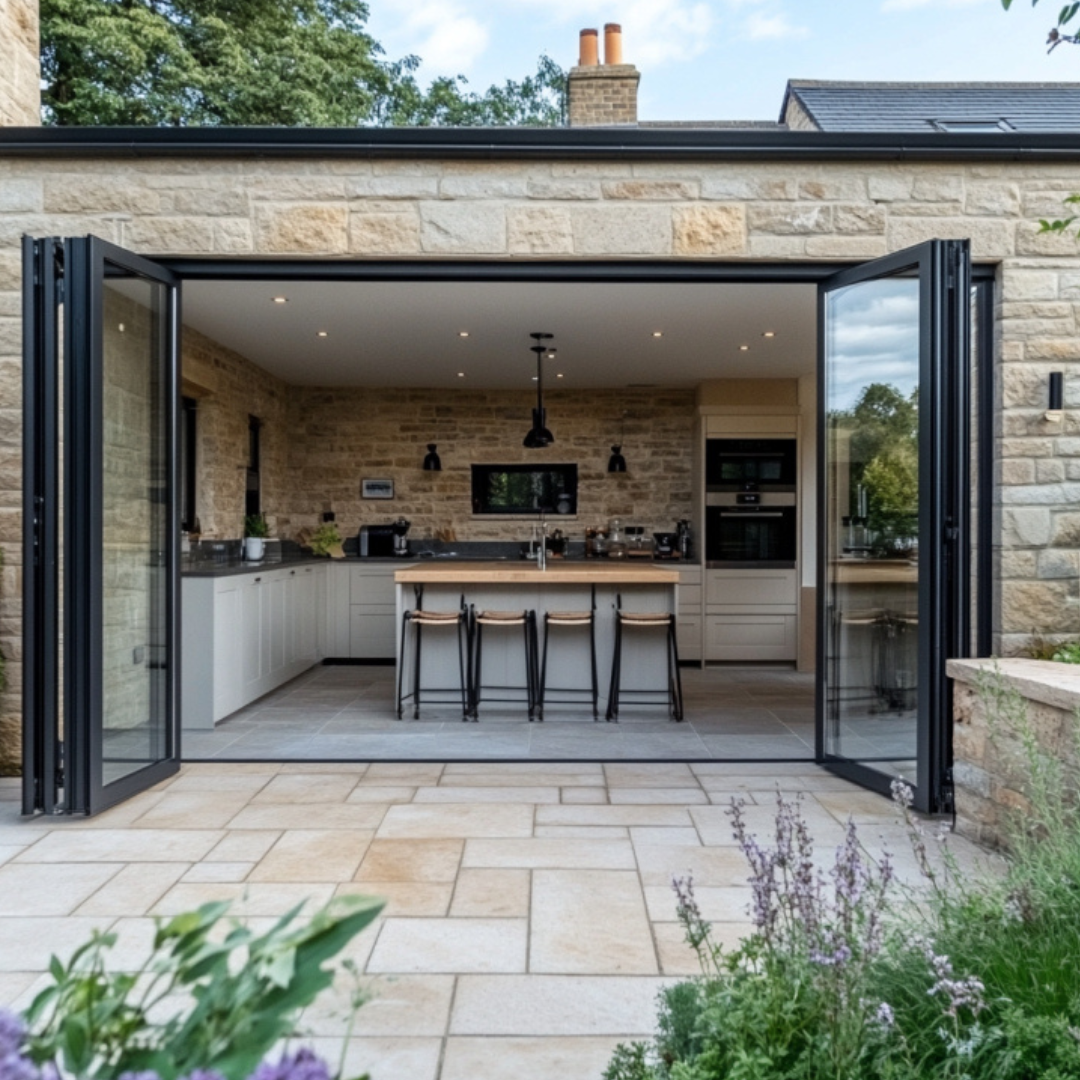
Our Residential Glass Options
Explore energy-efficient residential glazing options for upgrades, renovations, and new home improvements
From advanced C.U.in suspended film units to low-E coatings, solar control glazing, and laminated safety glass, our residential systems are designed to improve thermal efficiency, reduce energy bills, and support healthier, more comfortable homes.
C.U.in – Advanced Triple Glazing Performance (Without the Weight)
Our C.U.in ultra-insulating glass achieves U-values as low as 0.2 W/m²K, outperforming traditional triple glazing while remaining thinner and lighter.
Unlike conventional triple glazing, C.U.in:
- Can be retrofitted into standard double-glazed frames
- Reduces CO₂ emissions
- Lowers heating demand
- Improves acoustic comfort
- Uses up to 33% less glass than triple glazing
Independently tested at the Salford Energy House, C.U.in demonstrated significantly reduced heat loss compared to both A-rated and E-rated double glazing.
Ideal for:
- Replacement glass
- Renovations
- Extensions
- Sliding and bi-fold doors
- Rooflights
Low Emissivity Glass (Low-E Glass)
Low-E glazing reflects heat back into your home while allowing natural daylight to pass through.
Achieving U-values as low as:
- 1.0 W/m²K in double glazing
- 0.5 W/m²K in triple glazing
Low emissivity coatings reduce heat loss in winter and help prevent overheating in summer, making them a cost-effective upgrade for energy-conscious homeowners.
Solar Control Glass
For south-facing homes, conservatories, and large glazed extensions, solar control glazing manages excess solar gain.
Measured by its g-value, this glass reduces overheating while maintaining clarity and comfort.
Perfect for:
- Garden rooms
- Sliding patio doors
- Modern glass façades
- Skylights and rooflights
Safety & Laminated Glass for Homes
Our residential safety glazing includes:
- Toughened glass
- Laminated safety glass
- Barrier load compliant units
- Snow and wind load resistance
Designed for structural integrity, security, and peace of mind.
Sustainable Residential Glazing
Sustainability sits at the centre of our manufacturing process. We actively reduce environmental impact through:
- Glass sheet optimisation to minimise waste
- Water recycling systems
- Solar-powered manufacturing
- Circular economy engagement
- Responsible waste management
- Reduced paper usage through digital processes
C.U.in has also undergone whole life cycle performance analysis with Hilson Moran, demonstrating reduced embodied carbon compared to traditional triple glazing.
When homeowners choose Crystal Units, they choose a product aligned with long-term environmental responsibility.
Health, Comfort & Wellbeing
High-performance glass does more than retain heat. It contributes to:
- Stable indoor temperatures
- Reduced draughts
- Improved daylight quality
- Better acoustic comfort
- Reduced cold spots
Better glass supports better living.
Replace Glass Without Replacing Frames
Upgrade thermal performance without the cost and disruption of full window replacement.
One of the most overlooked benefits of C.U.in is its ability to retrofit into standard double-glazed frames.
Homeowners can:
- Avoid the cost of full window replacement
- Reduce disruption
- Upgrade performance instantly
This gives homeowners control — and that matters.
TESTIMONIAL
What They’re Saying
Residential Glass FAQs
What U-value should my windows achieve?
U-values measure how much heat passes through a material. The lower the number, the better the insulation.Under current UK Building Regulations (Part L), replacement windows typically need to achieve around 1.4 W/m²K or better. However, modern high-performance glass can go significantly beyond this:
- Standard double glazing: around 1.2 – 1.4 W/m²K
- Good triple glazing: around 0.8 – 1.0 W/m²K
- C.U.in Ultra: as low as 0.2 – 0.4 W/m²K
Lower U-values mean:
- Less heat loss
- Lower heating demand
- Reduced energy bills
- Improved indoor comfort
If you are renovating, extending, or aiming for a low-energy or Passivhaus-level home, choosing glass with a significantly lower U-value can make a measurable difference to long-term running costs.
Can I replace glazing without replacing frames?
Yes — and this is one of the most cost-effective upgrades available.If your existing window frames are in good condition, you can often replace just the sealed glass unit rather than the entire window. This:
- Reduces installation cost
- Minimises disruption
- Avoids unnecessary waste
- Preserves original framing (ideal for heritage or bespoke systems)
C.U.in is specifically designed to retrofit into standard double-glazed frames, delivering triple-glazing-level performance without increasing unit thickness.
For homeowners who want improved insulation without a full window replacement, this approach offers excellent value and a smaller environmental footprint.
How much can I save on energy bills?
Savings depend on several factors:
- The size of your glass area
- Your current glazing performance
- Your heating system
- Energy prices
However, independent assessments have shown that upgrading from standard double glazing to high-performance C.U.in units can:
- Reduce heating demand by up to 45%
- Cut annual heating costs by up to 57%, depending on the comparison unit
For a typical semi-detached home, this can translate into hundreds of pounds saved per year, particularly when replacing older or uncoated double glass.
Beyond cost savings, you’ll also notice:
- Fewer cold spots near windows
- Reduced draught sensation
- More stable indoor temperatures
Energy efficiency is not just about bills — it’s about comfort.
Is triple glazing always necessary?
Not always.Traditional triple glazing improves insulation by adding a third pane of glass, but it also:
- Increases weight
- Adds thickness
- Requires deeper frames
- Raises transport and embodied carbon impact
In many cases, you can achieve equal or better thermal performance without conventional triple glazing.
For example, C.U.in uses suspended film technology within a double-glazed unit to create two insulating chambers. This allows it to:
- Match or outperform triple glazing
- Fit into standard double-glazed frames
- Reduce façade weight
- Use less material
For homes with limited frame depth, sliding systems, or structural constraints, advanced insulating glass can be a smarter solution than standard triple glazing.
How does C.U.in compare to triple glazing?
C.U.in was developed to outperform traditional triple glazing while reducing its limitations.Thermal Performance
- Traditional triple glazing: typically 0.5 – 0.8 W/m²K
- C.U.in Ultra: as low as 0.2 W/m²K
Thickness & Weight
- Triple glazing requires thicker units and heavier frames
- C.U.in delivers superior insulation while remaining thinner and lighter
Embodied Carbon
- Triple glazing contains more glass and higher material impact
- Whole life cycle analysis shows triple glazed units can be up to 31% more carbon intensive than C.U.in per m²
Retrofit Capability
- Triple glazing often requires new frames
- C.U.in can retrofit into standard double-glazed systems
In simple terms: C.U.in provides the thermal benefits of triple glazing — without the bulk, weight, and environmental drawbacks.
