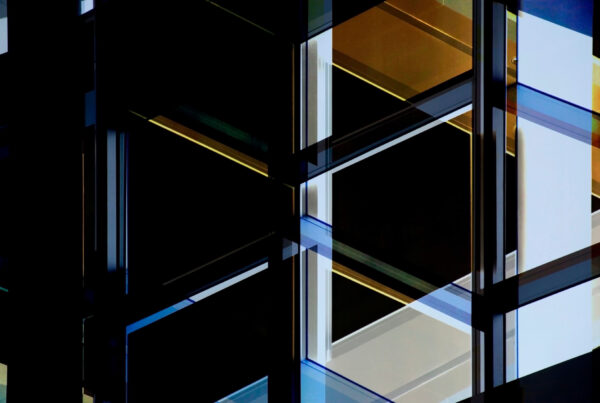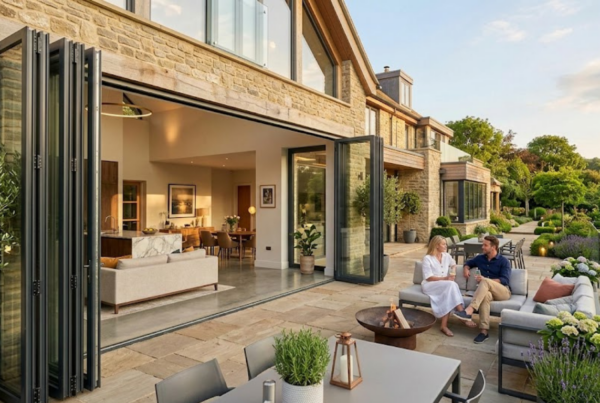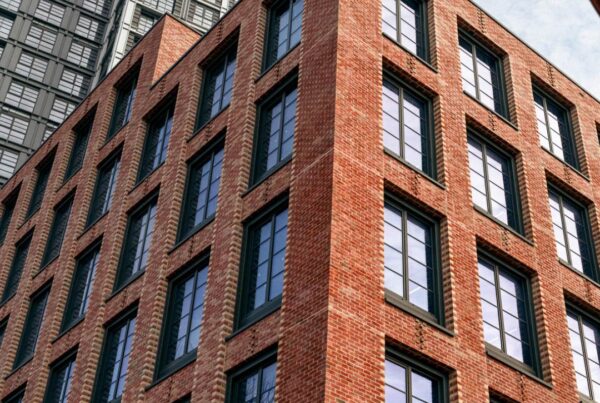



Large areas of glazing are now central to modern architecture, but more glass also means greater consideration needs to be given to solar gain, glare, thermal performance and occupant comfort.
Solar control glass is designed to manage the amount of solar energy entering a building while maintaining natural daylight. For glazing installers, window manufacturers and façade contractors, however, choosing solar control glass isn’t simply a case of selecting a coating.
The complete glass specification needs to work for the building, orientation, IGU configuration, required thermal performance and installation.
That’s where Crystal Units can help.
With over 30 years of glazing expertise and UK manufacturing, Crystal Units combines specialist glass processing with technical specification support, helping trade customers get the glazing right before it reaches production.
What is solar control glass?
Solar control glass modifies the way glazing interacts with solar radiation.
When sunlight reaches a glazed façade, solar energy can be transmitted through the glass, reflected away from it or absorbed by the glass.
Solar control glazing is engineered to manage this balance more effectively, reducing unwanted solar heat gain and glare while maintaining useful levels of visible daylight.
Depending on the product and required performance, this can be achieved through body-tinted glass or specialist coatings, including metallic oxide and Low-E coating technologies.
For commercial buildings, façades, roof glazing and other highly glazed applications, the correct solar control specification can make a significant difference to internal conditions.
Understanding g-value
One of the key measurements when specifying solar control glazing is the g-value, sometimes referred to as solar factor or total solar energy transmittance.
The g-value represents the proportion of solar energy that ultimately passes through the glazing into the building.
A lower g-value generally means less solar heat enters the building.
This becomes particularly important for south and west-facing elevations, large curtain wall systems, rooflights, atriums and other areas where high levels of solar exposure could contribute to overheating.
But selecting the lowest possible g-value isn’t automatically the correct answer.
The specification needs to balance solar control with daylight transmission, appearance, thermal insulation and the wider performance requirements of the façade.
This is why glass should be specified for the application rather than selected on a single performance figure.
Light transmission matters too
Solar control shouldn’t mean creating unnecessarily dark interiors.
Visible light transmission indicates how much daylight can pass through the glazing.
The relationship between light transmission and solar control is particularly important when designing large glazed elevations. The objective is often to allow useful natural daylight into the building while restricting a greater proportion of unwanted solar energy.
Different coatings provide different combinations of solar control, light transmission, reflectivity and external appearance.
For installers and façade contractors, understanding those differences can help avoid a glass specification that performs thermally but doesn’t deliver the appearance or daylight levels expected by the client.
Solar control coatings and IGU configuration
Most solar control glass used in architectural applications forms part of an Insulated Glass Unit (IGU).
Specialist coatings can be incorporated on particular glass surfaces within the IGU. Crystal Units’ solar control guidance notes that coatings are typically positioned on surface #2, depending on the glass construction and required performance.
The coating is only one part of the specification.
The complete IGU may need to consider:
- Solar control performance and g-value
• Visible light transmission
• U-value
• Glass thickness
• Toughened or laminated safety glass requirements
• Wind loading
• Barrier loading where applicable
• Acoustic requirements
• Spacer and cavity configuration
• Edge detailing
• Ceramic border requirements
• Structural silicone requirements
• Overall unit dimensions and weight
This is where technical support before manufacture becomes valuable.
Rather than simply producing an IGU from an order, Crystal Units can work with trade customers to help establish the appropriate glass make-up for the project.
Solar control glass and U-values are not the same thing
Solar performance and thermal insulation are related considerations, but they measure different aspects of glazing performance.
The g-value relates to solar energy entering through the glazing.
The U-value measures the amount of heat lost through the glazing system.
A project can therefore require both strong solar control and a low U-value.
The correct combination of glass, coatings, cavities and other IGU components needs to be considered to achieve the required overall performance.
For glazing companies, this is another reason why specification support matters. Looking at one figure in isolation can result in a glass make-up that doesn’t address the full performance requirements of the building.
Where is solar control glass used?
Solar control glazing is particularly suited to applications where large glazed areas are exposed to significant levels of sunlight.
Typical applications include:
- Commercial façades
• Curtain walling
• Office glazing
• Shopfronts
• Rooflights and skylights
• Atriums
• Large windows
• Residential developments
• Hotels and hospitality buildings
• Highly glazed extensions and structures
Crystal Units’ Balfron Tower project demonstrates how solar control can also form part of a complex refurbishment specification.
The Grade II*-listed tower in Poplar required modern thermal performance while retaining the original fenestration patterns, slim sightlines and architectural character of Ernő Goldfinger’s design.
High-performance double glazing incorporating solar control was used as part of the solution, contributing to improved insulation, solar performance and occupant comfort while respecting the heritage constraints of the building.
Why use Crystal Units for solar control glass?
For glazing installers, window manufacturers and façade contractors, the value of a glass manufacturer isn’t measured solely by whether they can manufacture an IGU.
It’s whether they can help you manufacture the right IGU.
Crystal Units acts as a technical glazing and specification partner, supporting customers before the glass reaches production.
Technical specification support
Our experienced in-house team can help assess the requirements of the application and advise on suitable glass configurations.
That can include consideration of thermal performance, solar control, glass thickness and the wider requirements of the installation.
The aim is straightforward: get the specification right before manufacture and reduce the risk of expensive problems later.
Solar control and coated glass expertise
Coated architectural glass can require specialist processing knowledge, particularly when solar control coatings are combined with other requirements such as ceramic borders, stepped units or structural glazing details.
Crystal Units has the manufacturing capabilities and technical knowledge to support more complex coated glass specifications rather than restricting customers to straightforward standard IGUs.
Glass calculations and technical guidance
Depending on the project, Crystal Units can provide technical assistance with areas including:
- Glass thickness calculations
• Wind load calculations
• Barrier load calculations
• Thermal and performance guidance
• Suitable glass make-ups
• Difficult or unusual glazing applications
For installers, getting this advice before manufacture can reduce specification errors, installation problems and costly call-backs.
Complex IGUs from one UK manufacturer
Solar control glass is frequently only one element of a more complex unit.
Projects may also require toughened glass, laminated glass, edge enamelling borders, structural silicone bonding, specialist edge processing or unusual sizes and shapes.
Having these requirements considered together helps simplify procurement and provides greater confidence that the complete IGU has been manufactured around the project specification.
Premium architectural finishing
On high-end façades and structural glazing, appearance matters alongside performance.
Crystal Units can provide specialist finishing and processing for architectural applications, including precision edge finishing and ceramic painted borders where required.
The result is glazing engineered for both technical performance and the finished appearance of the installation.
UK manufacturing and dependable turnaround
Crystal Units manufactures in the UK, giving glazing companies access to an experienced technical team alongside specialist manufacturing capabilities.
For trade customers managing installation programmes, dependable lead times, consistent quality and communication throughout manufacture can be just as important as the glass specification itself.
Designed correctly before manufacture
Solar control glass can provide an effective way to reduce unwanted solar heat gain and glare without sacrificing the natural daylight that makes highly glazed architecture desirable.
But performance depends on specification.
The right g-value needs to be considered alongside light transmission, U-value, glass thickness, safety requirements, coatings, IGU construction and the demands of the installation.
Crystal Units helps glazing installers, window manufacturers and façade contractors consider those requirements before manufacture.
Because the objective isn’t simply to supply solar control glass.
It’s to manufacture the right glass for the project, correctly the first time.
Speak to our technical team
Have a project requiring solar control glass, coated IGUs or a more complex architectural glazing specification?
Speak to Crystal Units about the performance requirements and our technical team can help you identify the right glazing solution for the application.
Or, if you’d like to see our capabilities first-hand, book a factory tour at Crystal Units in North London and see how specialist architectural glass and IGUs are manufactured.
Solar Control Glass:
https://crystalunits.com/solar-control-glass/
Crystal Units – technical expertise built into every IGU.